
Have you ever made coffee or cooked food for yourself or anyone?
Now, imagine if I request you have to make the same coffee or dish every day for 30 days, and it has to taste exactly the same.
Do you think it would taste the same?
Probably not.
But have you noticed that Haldiram’s, Café Coffee Day, or Barista make their food and drinks taste the same every day, no matter which shop you go to? Even in different cities!
Their secret is something called SOPs (standard operating procedures.)
This means no matter who makes your coffee, the taste stays the same.
Similar to these SOPs, call center companies use call center quality assurance (CCQA) for customer service. It makes sure every call or chat with a customer is done the right way, every time.
What is call center quality assurance?
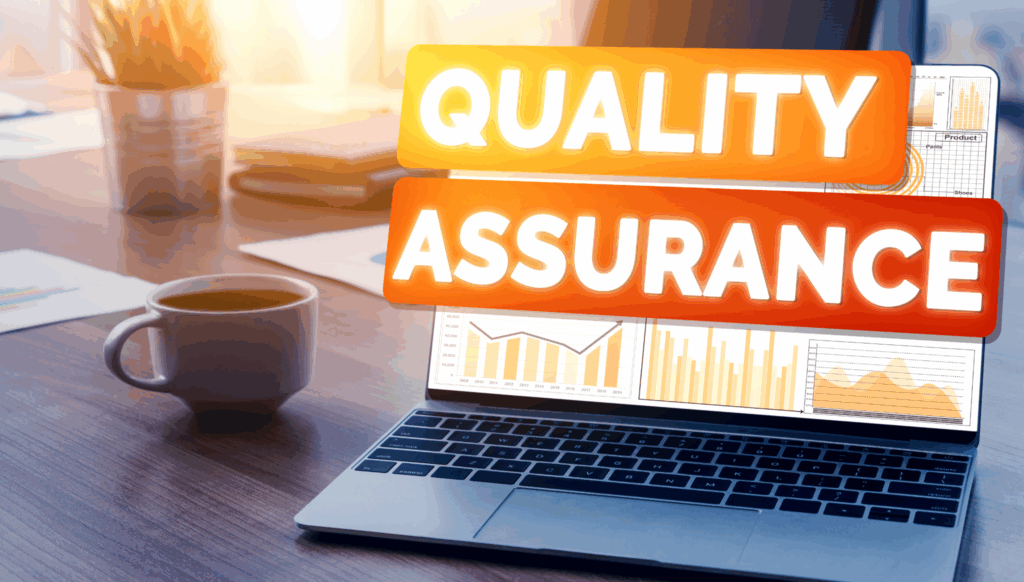
Call Center Quality Assurance (CCQA) is the process of monitoring, evaluating, and improving customer experience to ensure they meet a consistent standard of service.
Just like SOPs make sure your coffee or samosa tastes the same every day, CCQA ensures that every call, chat, or email with a customer is handled correctly, professionally, and consistently.
Why should you care about call center quality assurance?
Imagine you have a favorite food at a Haldiram’s outlet, and you tell a friend visiting your city that it’s the best thing to try. But when your friend goes there, the taste or service isn’t the same as you said. You’d feel disappointed, right?
Call Center Quality Assurance (CCQA) works the same way. It makes sure every customer gets a good, consistent experience, and personalized customer service, no matter who they talk to or when they contact you.
- Better customer experience: Customers receive the same great service every time they reach out.
- Improved agent performance: Agents get regular feedback and coaching to do their best work.
- Fewer errors and complaints: Consistency reduces mistakes and makes problem-solving faster.
- Stronger business reputation: Consistently good service builds trust and keeps customers coming back.
How it works
- Calls and chats are monitored and assessed for quality.
- Feedback is given to agents for improvement.
- Processes are standardized and optimized based on insights from QA reviews.
9 call center quality assurance best practices in 2026
At AM2PM Support, we follow these call center quality management practices (mentioned below) to ensure that every customer receives the same high-quality experience, whether they’re reaching out from Delhi, Bhopal, Lucknow, or Bangalore.
Let’s get started.
Set clear quality standards → For better call center quality management

Have you ever wondered why some customer service calls just feel amazing, while others leave you frustrated?
That’s because some call centers have a clear idea of what “good service” looks like.
How to do it?
- Write down exactly how you want your team to talk to customers. Include greetings, tone, and problem-solving steps.
- Share examples of good and bad calls so everyone knows what you mean.
Tip: Think about your own experience as a customer. How would you like to be treated when you call as a customer? That’s your benchmark.
Want every call to sound professional?
At AM2PM Support, agents follow simple, proven guides to greet, ask questions, and close politely, so every call leaves a great impression.
Regular call monitoring → Monitor calls consistently

You can’t fix what you don’t see.
Listening to inbound calls or reading chat messages helps us see where things can be better. It shows which agents need help and which processes need fixing. By checking regularly, we make sure no problem is missed and every agent does their job the right way.
How to do it?
- Pick a few calls randomly each week from different agents.
- Listen for tone, accuracy, and whether the customer’s problem was solved.
Tip: Pretend you’re the customer. Would you be happy with this call?
Example: AM2PM managers listen to a small set of calls every week to spot coaching opportunities and highlight good work.
Scorecards for evaluation → Evaluate every call fairly
Imagine being judged on something without clear rules, it wouldn’t feel fair, right?
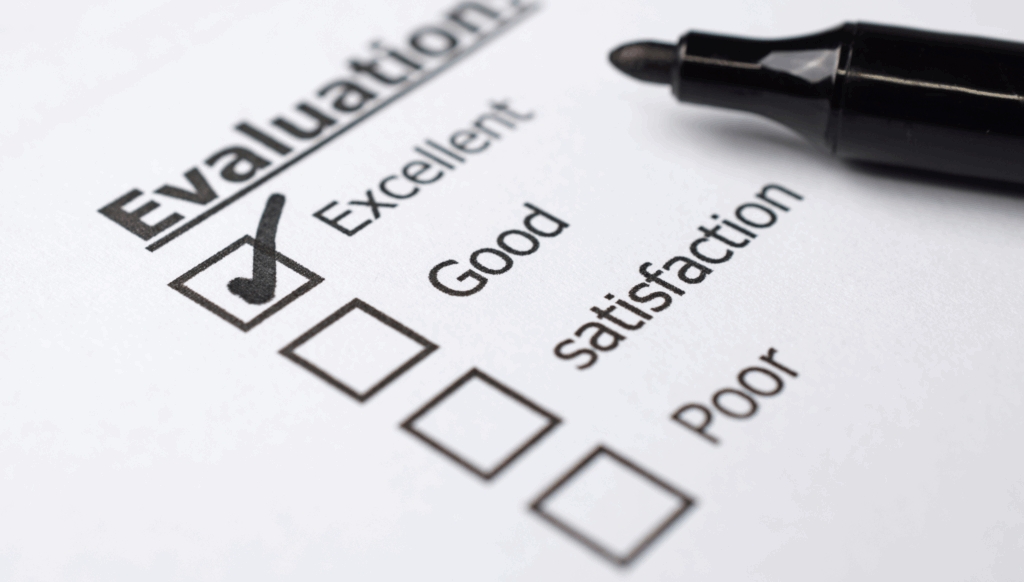
That’s why scoring calls properly is important. A scorecard helps us rate calls fairly and the same way for everyone, instead of just guessing.
It shows agents what they are doing well and what they can do better. Fair scoring also helps build trust, so feedback feels like helpful advice instead of criticism. This keeps agents motivated and ready to improve all the time.
How to do it?
- Make a checklist like
- Did the agent greet the customer politely?
- Did they solve the problem?
- Was the tone friendly?
- Score calls with numbers or ticks, and add notes for details.
Tip: Don’t judge from one bad call. Look at patterns over time to understand true performance.
Example: AM2PM uses a checklist so all managers evaluate calls the same way, making feedback fair and actionable.
Looking for fair call evaluations?
AM2PM uses a simple checklist so every manager reviews calls the same way, ensuring feedback stays consistent and actionable.
Agent coaching and feedback → Coach and guide your agents
Nobody gets everything right on the first try. Think about when you learned to ride a bike, someone had to show you how, guide you, and cheer you on.
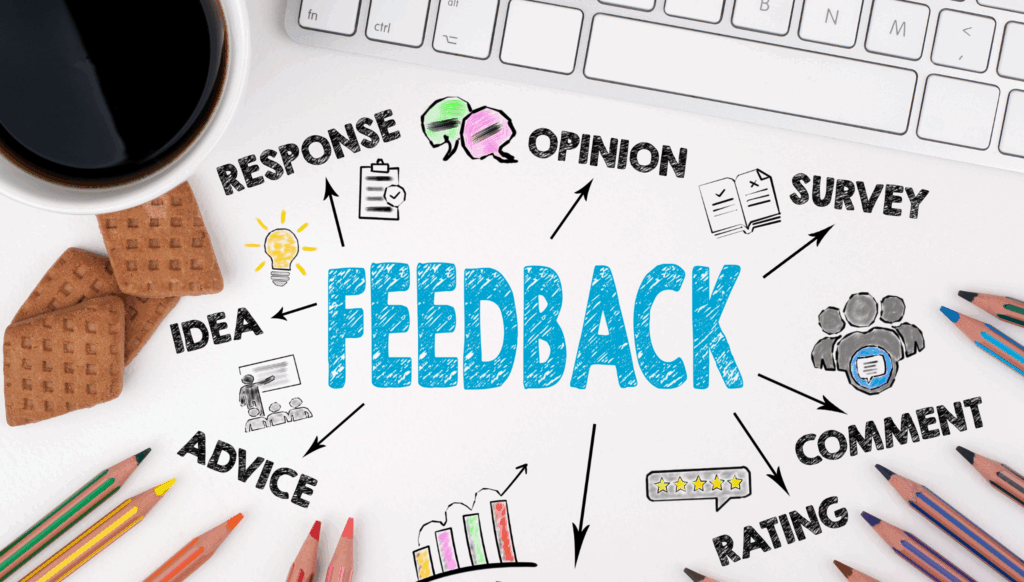
Coaching your agents works the same way. Feedback shouldn’t feel like criticism, it should be helpful guidance that makes them better at handling real customer situations.
Also, when you coach agents with clear examples, they easily understand what to change and how to improve. This builds their confidence and skills over time. It also keeps customers happy and reduces customer churn. Because happy customers are less likely to leave.
How to do it?
- Give examples from real calls. Show what was done well and what could be improved.
- Set small goals for the next week so improvement is measurable.
Tip: Ask your agents how they felt after a call. Sometimes, they already know where they had trouble and what they can do better.
Example: At AM2PM, managers meet with agents every week to talk about their calls and give tips on tone, being kind, and solving problems.
Track key metrics → Keep track of important metrics

Numbers can tell you a lot if you know how to read them.
Imagine running a shop but never checking how many customers came in or what sold the most, you’d just be guessing.
In a call center, numbers like:
- First-call resolution (did the customer’s problem get solved?)
- Average handling time (how long calls take)
- Customer satisfaction scores (CSAT)
All these metrics help you see what is working and what needs fixing. Checking these numbers regularly helps spot industry trends and support agents where they need help.
How to do it?
- Record key KPIs like FCR, AHT, CSAT, and NPS.
- Look for trends over weeks and months, not just one-off numbers.
Tip: Compare metrics across different shifts or teams to see if some need extra help.
AM2PM reviews call center metrics monthly to recognize top performers and address recurring issues quickly.
Use customer feedback → Pay attention to customer feedback

Customers are the ones who see and experience your service first-hand. Sometimes you might think everything is fine, but the customer’s experience can tell a different story.
Collecting feedback is like asking diners how the food tastes, it shows what works and what doesn’t. Using and acting on this feedback helps fix mistakes and keeps customers happy.
How to do it?
- Send short surveys after calls or chats. Ask simple questions like, “Was your issue resolved?” or “Was our agent helpful?”
- Look for repeated patterns of complaints or praise.
Tip: Don’t just collect feedback, make sure to fix the issues it highlights.
Example: AM2PM uses customer surveys alongside QA checks to make sure service meets expectations every time.
Want to know if your customers are truly happy?
AM2PM pairs customer surveys with QA checks so your service always matches and even exceeds your expectations.
Recognize and reward excellence → Appreciate and reward great work

It’s easy to notice mistakes, but praising good work makes a big difference. When agents feel appreciated, they work harder and stay motivated.
Recognition doesn’t have to be fancy, it can be a shout-out, a badge, or a small reward. The important thing is to celebrate both high scores and improvements.
How to do it?
- Highlight excellent calls or problem-solving moments during team meetings.
- Recognize effort as well as results.
Tip: Even a quick “great job on that call” in front of the team can boost morale and confidence.
Example: AM2PM highlights top-performing agents every month, which inspires the whole team to strive for excellence.
Identify trends and root causes → Spot trends and fix root issues

Ever notice the same problem happening again and again?
Maybe a customer keeps asking the same question, or agents keep making the same mistake.
This means you need to look deeper. Instead of just fixing each problem one by one, find the pattern and the real cause. Once you fix the main problem, the same issues won’t keep coming back.
How to do it?
- Analyze QA reports to find recurring mistakes or complaints.
- Ask: Is this a training problem, a process issue, or a system glitch? Fix the source.
Tip: Small changes now prevent bigger headaches later.
Example: AM2PM spotted repeated billing questions and updated scripts and training to reduce confusion for both agents and customers.
Tired of answering the same customer questions?
AM2PM analyzes call trends, such as repeated billing questions, and updates scripts and training so agents solve issues faster and customers leave happy.
Continuous improvement → Always strive to improve
Quality assurance isn’t something you do once and forget. It’s like taking care of a garden, you have to work on it regularly to keep it healthy.
Check your standards, update training, improve scripts, and adjust processes based on what you learn from numbers, QA checks, and customer feedback. By always improving, your team stays skilled, and customers always get the best service.
How to do it?
- Schedule regular QA reviews to update processes and training.
- Use insights from monitoring and feedback to make small but meaningful improvements.
Tip: Treat QA like a cycle. Monitor, coach, improve, repeat. Over time, service quality naturally gets better.
Example: AM2PM uses QA insights to update scripts, workflows, and training modules, ensuring agents always deliver top-notch service across all locations.
So, how will you bring consistency to your customer service?
Just like Haldiram’s keeps the same taste in every outlet, call center quality assurance makes sure your customers get the same great experience every time they reach out.
When you set clear rules, check calls, guide your agents, and listen to customer feedback, magic happens:
When you set clear standards, monitor calls, coach your agents, and listen to customer feedback, magic happens:
- Customers feel heard and happy
- Agents become more confident and skilled
- Your business earns trust and loyalty
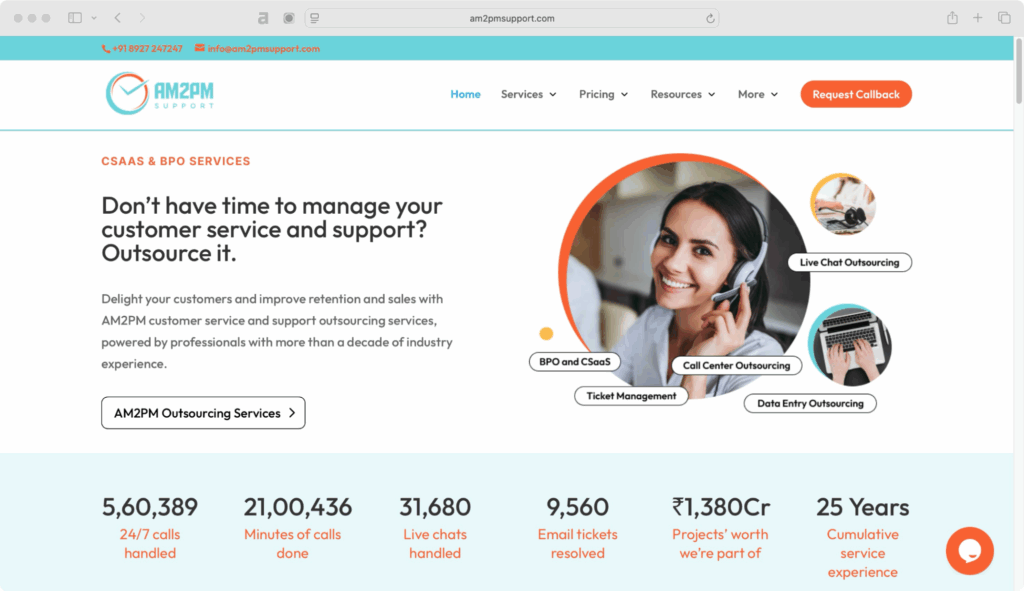
At AM2PM Support, this isn’t just talk, it’s what we do every day. From setting standards to celebrating good work, we’ve built quality checks into everything. That’s why whether your customer calls from Delhi, Bhopal, Lucknow, or Bangalore, they get the same friendly and reliable support every single time.
Now it’s your turn.
Are you ready to make your customer service as consistent as your favorite Haldiram’s samosa?
👉 Let’s talk about how AM2PM Support can help you deliver that kind of quality, every day.
🚀 Book your free callback today!
FAQs on call center quality assurance
Call center QA software is a tool that helps managers monitor, record, and analyze customer interactions. With it, you can score calls, track agent performance, and gain insights into customer satisfaction much faster and more accurately than manual reviews. Popular Indian options include Ameyo, Exotel, and Knowlarity.
Quality assurance is about building processes to prevent mistakes and improve consistency (like training, scripts, and coaching). Quality control is more about checking individual interactions after they happen to see if they meet standards.
In BPO (Business Process Outsourcing), QA refers to monitoring and improving the quality of customer interactions, whether it’s calls, chats, or emails. The goal is to make sure service meets both company expectations and customer needs.
Call center QA works best when you set clear performance standards, use consistent scorecards, give regular coaching with examples, include customer feedback, and update scripts and training based on recurring issues.